Every Bengalurean knows what a water tanker means. For many neighbourhoods it’s a routine part of the month, and a reminder of how much the city depends on water brought in from somewhere else.
Capstone Life treats this as a design problem, not something for residents to deal with later. Water and waste are planned into a community from the start, alongside energy, as part of a wider idea of sustainability rooted in humanity.
The numbers behind the water plan
| Measure | Annual figure |
|---|---|
| Water saved | 54 lakh litres |
| Reduction in fresh water demand | 62% |
| Water tankers saved | 907 |
The goal behind those figures is ambitious: all water needs met through sustainable sources on site.
Three ways to use less water
1. Mitigate with efficient design
The first saving comes before anyone turns on a tap. Efficient design solutions lower the amount of water a home and its landscape need in the first place.
2. Treat and reuse
Water doesn’t need to be drinkable to be useful. Treated water is recycled for flushing and for irrigating the landscape, the two jobs that don’t call for fresh water at all.
3. Reduce and maintain
Over the long term, savings depend on upkeep. Fixture monitoring helps to keep demand in check, while local collection and use keeps water working close to where it’s needed.
When waste stops being waste
The community’s commitment on waste is just as clear: 100% of it disposed of without being sent to landfill. That relies on scientific management and on systems that are simple to use every day.
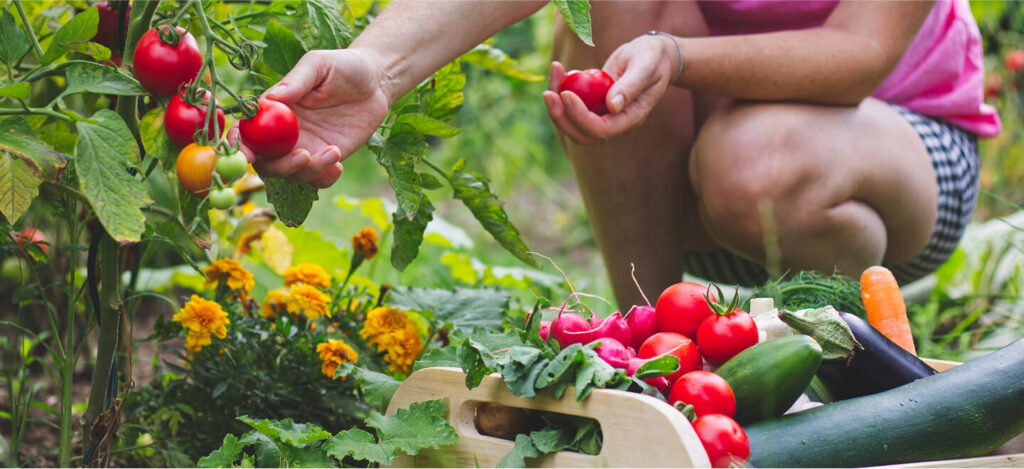
- Wet waste composting on site, so that kitchen waste becomes a resource close to home
- A bin-based manure handling system that makes this practical at a household level
- Leaf litter composters all around, returning garden waste to the landscape
Capstone Life describes this as a lifestyle woven into mindful consumption. In practice, it means that a good habit is also the convenient one.

From systems to shared spaces
These ideas show up in the places residents actually use. At The Midsummer Rain you’ll find regenerative agriculture, an edible garden and a bioswale. At Circular Reflections there’s urban farming, a herb garden and an ecological park.
As we like to say, green is a colour we love, and it’s in tune with nature. Together, let’s imagine a better future.
Figures are as stated on the Capstone Life sustainability page. Outcomes are indicative and vary by project and usage. Please confirm details for a specific community with the Capstone Life team.