There’s a particular pleasure in eating something you picked yourself. A tomato from your own garden doesn’t need much else. For many families, though, growing food feels like something that needs a farm, or at least far more free time than they have.
Capstone Life’s villa communities make it part of the landscape instead, with shared spaces where residents can see, tend and enjoy what’s growing around them.
Food growing at The Midsummer Rain
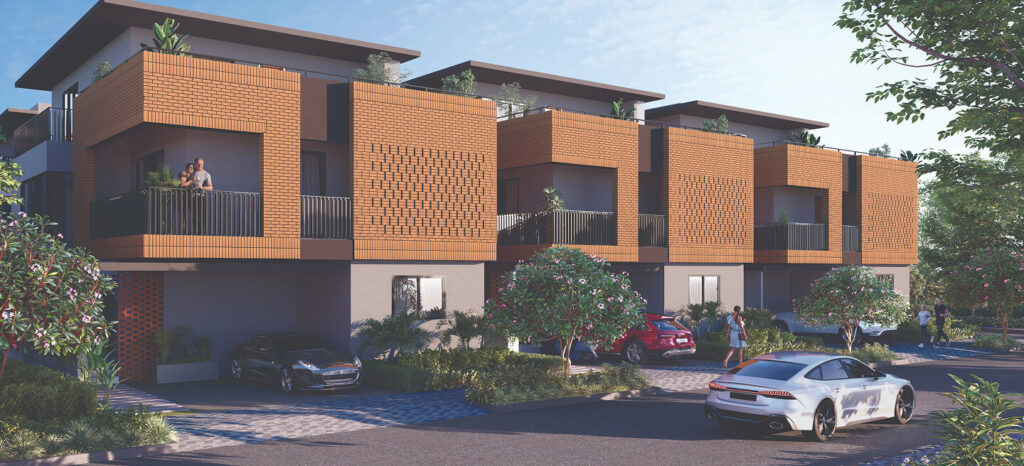
At The Midsummer Rain, the outdoor amenities are planned with food and nature in mind.
Regenerative agriculture
Regenerative agriculture is one of the community’s outdoor amenities, connecting the landscape to the idea of giving back to the land as well as taking from it.
The edible garden
The edible garden brings food growing close to home, so that it’s a part of the community’s everyday landscape.
Aromatic gardens and fruit orchards
The outdoor amenities also include a butterfly garden, an aromatic garden and fruit orchards, which add scent, colour and seasonal interest to a daily walk.
Food growing at Circular Reflections
At Circular Reflections, the theme continues in a slightly different way.
Urban farming
Urban farming spaces give residents a chance to grow food within the community.
The herb garden
The herb garden offers fresh flavours and greenery at your convenience. It’s the kind of space that can change how a weeknight dinner comes together.
The farmer’s market
A farmer’s market gives the community a place to meet and share, and makes food part of its social life too.

Closing the loop with compost
Growing food is only half of the story. Capstone Life’s approach to waste includes wet waste composting on site, a bin-based manure handling system and leaf litter composters across the community. Together, they show how kitchen and garden waste can return to the soil instead of going to landfill.
Treated water is also reused for irrigating landscape areas. You can read more in how Capstone Life rethinks water and waste.
Why it’s good for a community
Shared gardens do more than grow food. They give neighbours something to talk about, children something to learn from, and everyone a reason to step outside. That’s what Capstone Life means when it describes a lifestyle woven into mindful consumption.
Getting started
Even if you’ve never grown anything, you can start small:
- Begin with a few herbs you already cook with
- Ask more experienced neighbours what’s growing well this season
- Get children involved, from planting to picking
- Keep kitchen scraps for composting, so that your waste feeds your next harvest
To see these spaces in context, explore our ongoing projects or talk to the team.
RERA: The Midsummer Rain PRM/KA/RERA/1250/303/PR/160224/006629; Circular Reflections PRM/KA/RERA/1251/308/PR/160824/006970. Images are artist’s impressions or lifestyle images. Details are indicative, as shown on the project websites; please confirm current details with the Capstone Life team.