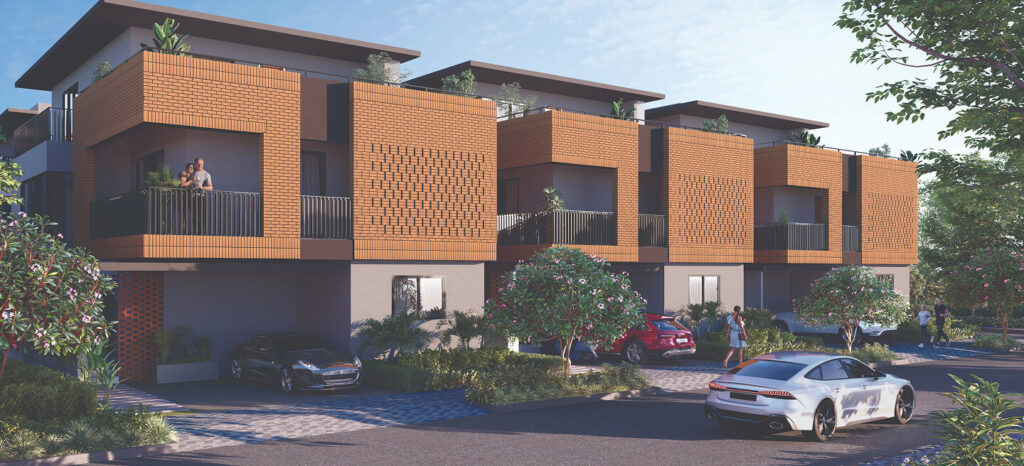
“Net zero” is used a lot in real estate, and it rarely gets explained. In simple terms, net zero energy homes are designed and built to generate as much energy as they consume, balancing production and consumption over the years.
That balance doesn’t come from a solar panel alone. It comes from cutting the energy a home needs in the first place, and then meeting what’s left with renewable sources. Here’s how Capstone Life approaches both halves of that equation at The Midsummer Rain and Circular Reflections.
Step one: need less energy
The cleanest unit of energy is the one a home never uses. Before any technology goes in, the design itself does a lot of the work:
- Cross ventilation: enhanced design that moves air naturally through the home
- Cool roofs: roof solutions that reduce heat gain
- High-performance glazed glass: maximum daylight, minimum heat
- Energy envelope: a building shell designed for sustainable, conscious living
A home that stays cooler by design relies less on its air conditioning.
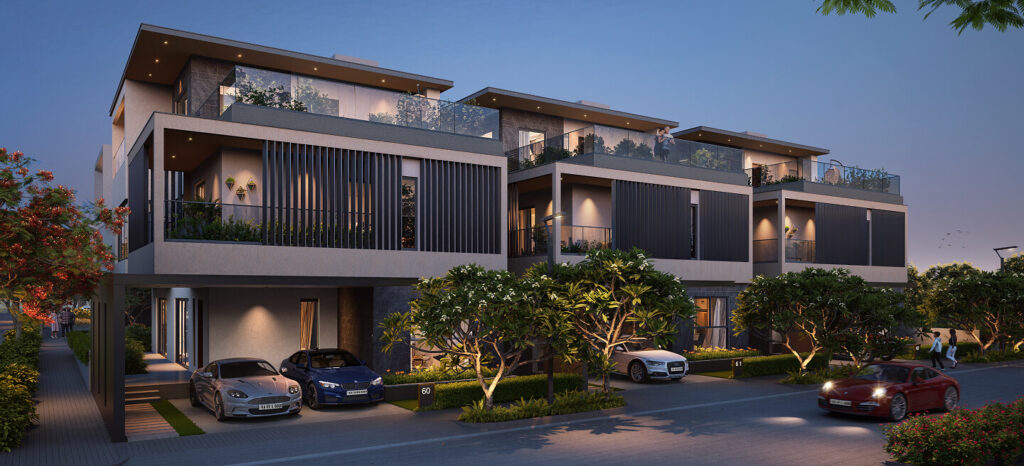
Step two: use energy efficiently
Next come the systems that run the household. Water heating is a good example, as it’s a constant demand in most homes. A heat pump can reduce the energy demand for water heating by up to 40%.
Every villa also has VRV/VRF-ready infrastructure for efficient cooling, along with smart energy meters for scheduling and control, so that residents can see and manage how their home uses power.
Step three: generate clean energy on site
With demand reduced, renewable generation has a smaller gap to fill. Each villa is planned with an on-roof 5 kWp solar PV setup. By setting up full solar PV capacity, the villa has the potential to be net zero energy.
That word “potential” is worth noticing. Whether a home achieves net zero also depends on how it’s lived in: the appliances, the usage patterns and the solar capacity a homeowner chooses to set up.
Ready for what comes next
Energy use at home is changing, and electric vehicles are the biggest change for many families. With built-in EV charging capability, a villa is ready for that switch from day one, without any retrofitting.

What it all adds up to
| Goal | How it’s addressed |
|---|---|
| Reduce heat gain | Cool roofs, glazed glass, cross ventilation |
| Reduce demand | Heat pump, VRV/VRF-ready infrastructure |
| Generate renewable energy | 5 kWp on-roof solar PV |
| Stay in control | Smart energy meters |
| Prepare for the future | Built-in EV charging capability |
At a community level, Capstone Life’s stated aim is net zero energy through renewable resources, with operational carbon mitigated or offset. It’s part of a broader belief that sustainability is an idea rooted in humanity. You can read more on our sustainability page.
Sustainability features and outcomes are indicative and vary by project, configuration and usage. Please confirm details for a specific villa with the Capstone Life team.